
Henderson City Directory Shelf Map
Printed Henderson city directories sit on the shelves of the Henderson County Public Library genealogy collection. They span 1876 to the present. The run has missing issues. Telephone directories start later, in 1925, and they carry gaps of their own. A catalog subject browse for Henderson directories lists nine items. Local reporting points to a few firm publisher names. Treat this as a shelf map. It is not proof of a complete annual run for the Henderson residents directory.
| Collection | Years | Where held | Access |
|---|---|---|---|
| Kentucky State Gazetteer | 1876-77 identified | Library and local collections | Verify exact catalog item with staff |
| Bennett-related Henderson directories | 1889-1900 issues reported; 1893-94 and 1899-1900 named | Henderson library | Catalog and in-person request |
| HCHGS historical reprint | 1889-1890 | Historical and genealogical society | Sale or society research request |
| Samson Directory Company issue | 1909 identified | Library collection | Exact edition requires staff verification |
| Printed directories generally | 1876-present, gaps | Henderson library, 101 South Main | Catalog, shelves, phone, staff help |
| Telephone directories | 1925-present, gaps | Henderson library | Ask for year and reverse-section status |
Resist the urge to stretch these known issues into a tidy publisher run. The honest approach is to ask for the title, year, publisher, and call number, plus whether a volume holds both alphabetical and street sections. When a physical edition cannot be inspected, call it a reported holding rather than a verified one.
Henderson Directory Research at HCPL
For hands-on work, the library is the access hub. Visit 101 South Main Street or call 270-826-3712. Hours run Monday through Thursday, 9 a.m. to 8 p.m. Friday and Saturday hours are 9 a.m. to 5 p.m. Sunday hours are 1:30 to 5 p.m. The published range of this city directory includes gaps. Ask staff to confirm the exact volume before you travel. The HCPL genealogy gateway also introduces the local research service and its programs.
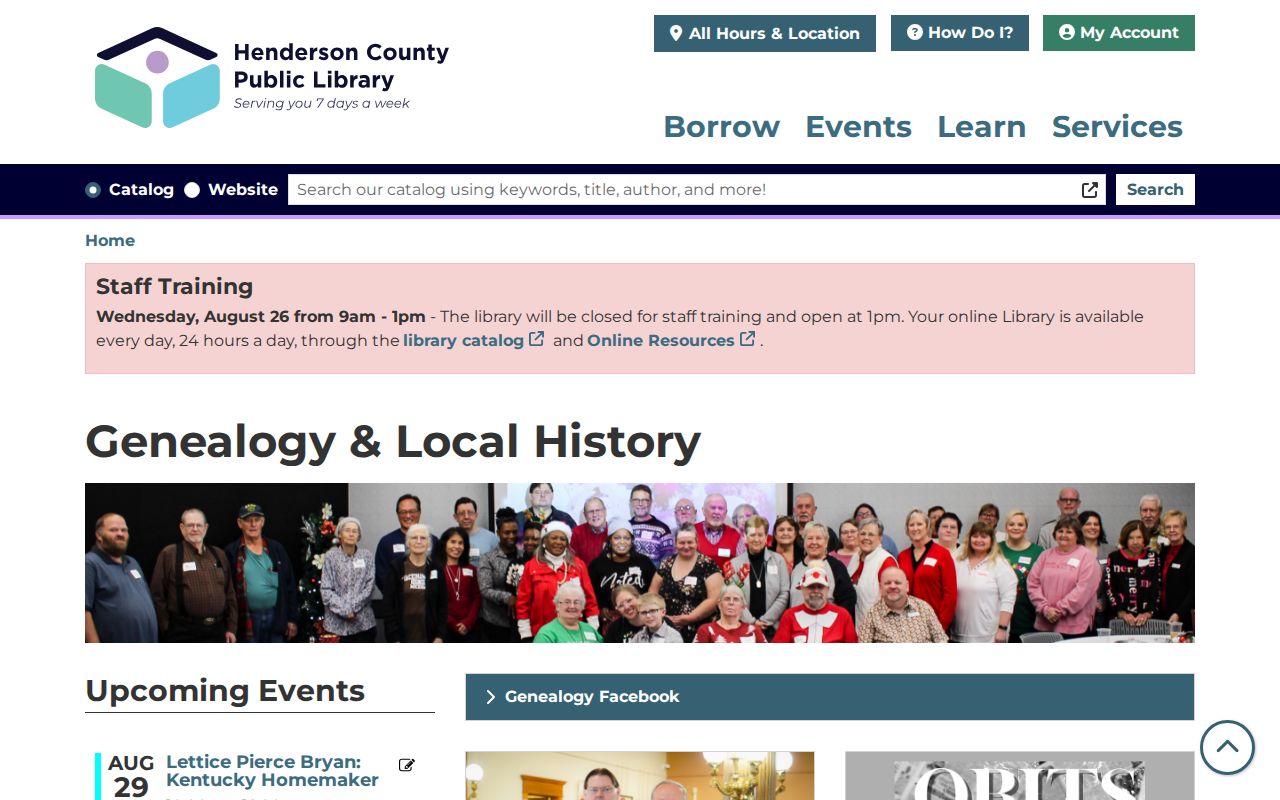
The Henderson County Public Library's gateway opens onto a broad set of local history material. Family Files, census resources, and photographs sit behind it. Oral histories, military indexes, newspapers, cemetery records, and the local directory shelves sit there too. Ancestry Library Edition works only inside the library. HeritageQuest, Fold3, and Newspapers.com Library Edition follow the library's listed subscription access instead.
A Henderson residents directory or street directory may not appear in the gateway. In that case, try the HCPL catalog subject browse to surface likely titles.
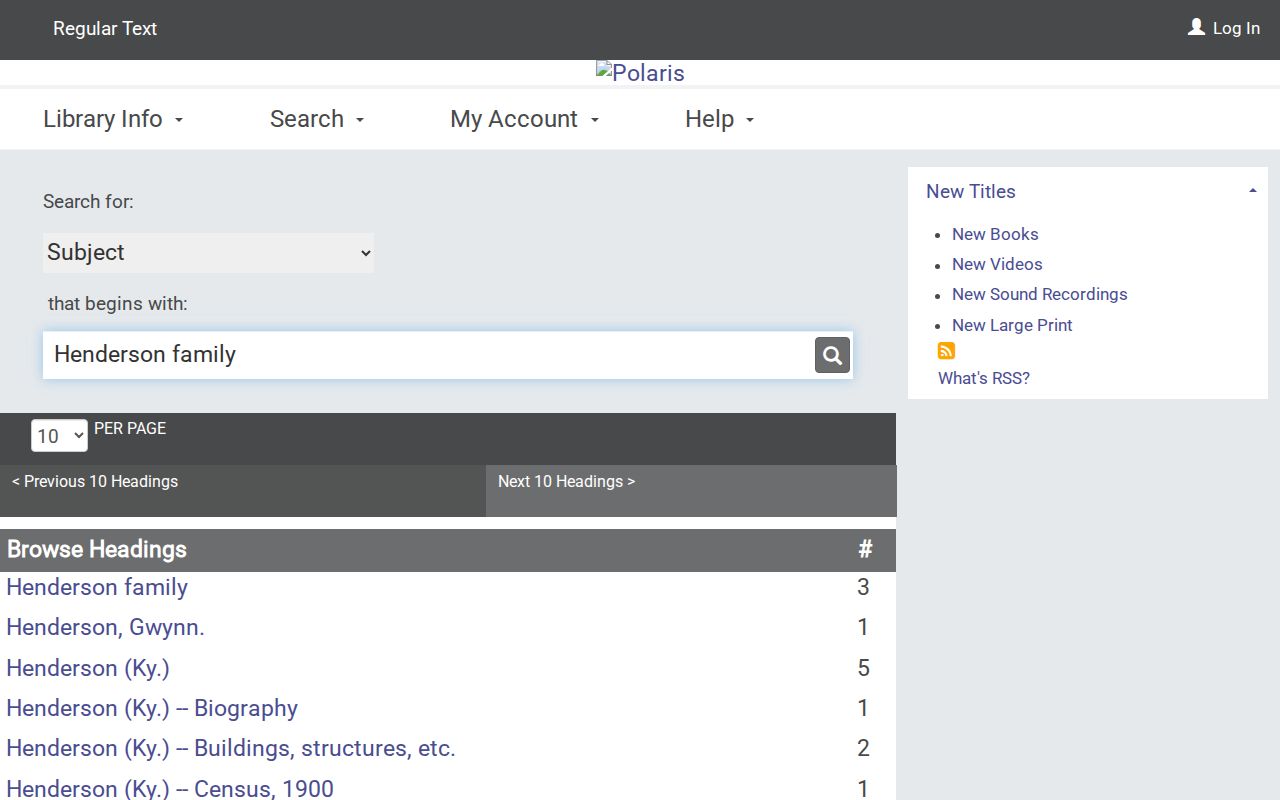
Match the catalog wording letter for letter. A similar title or a broad span of years is no promise that the Henderson County volume you want is actually on the shelf at the library.
Known Henderson Directory Publishers
The earliest Henderson coverage sits in a statewide book, not a city volume. A local Courier & Press report names the Kentucky State Gazetteer for 1876-77 as the first item and calls its coverage spotty. The library holds issues tied to H. Thornton Bennett of Evansville across 1889-1900, and 1893-94 and 1899-1900 are specifically named. A 1909 issue carries the Samson Directory Company imprint from Quincy, Illinois.
The Henderson County Historical & Genealogical Society republished the 1889-90 directory in 2001. Its 75 pages hold a full alphabetical inhabitants section, a business directory, and a city guide. Reach HCHGS at PO Box 303, Henderson KY 42419-0303, by phone at 270-830-7514, or by email at hendersoncounty@hotmail.com. The society publishes no lookup fee or turnaround time on its pages. A local history article about the 1889 directory shows the scope of that volume.
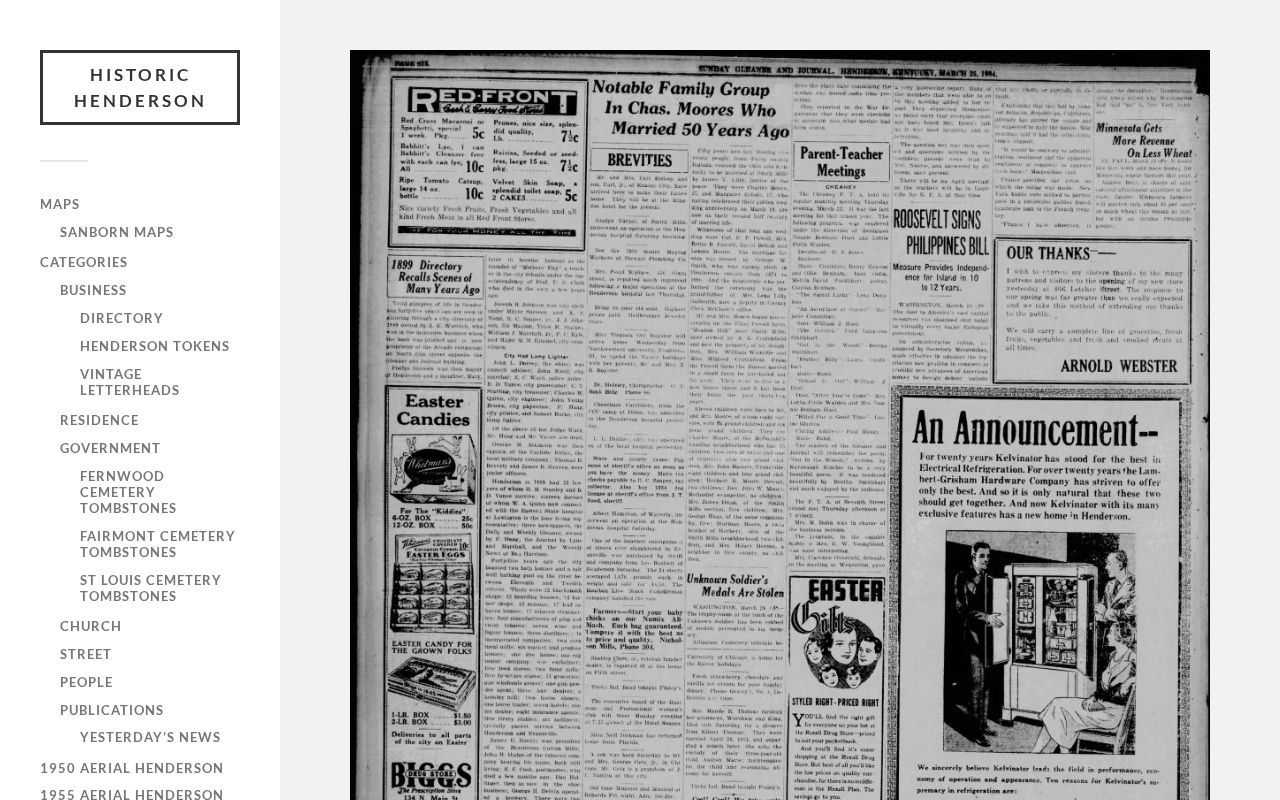
That article names public officials and tallies businesses. It is not a scan of an inhabitant entry. Use it for historical context, then turn to the reprint or the original volume when you need a named person.
Note: Symbols vary between Henderson editions, so read each volume's own key before trusting any mark.
Read a Henderson City Directory Entry
Transcribe what the page itself prints. Later sources may suggest what an entry ought to mean, but the printed page wins. Some Henderson editions give a spouse in parentheses, plus an occupation or business. They add a house number and a mark for widow, boarder, residence, or ownership. Confirm every one of those fields on the actual page. Do not rely on a transcription or index.
| Alphabetical name | Copy spelling, initials, title, and every cross-reference. |
|---|---|
| Household notation | Record a spouse, widow, or boarder mark only when printed. |
| Occupation or business | Separate a workplace address from a residence address. |
| Street address | Preserve house number, direction, suffix, and any old street form. |
| Page and edition | Cite the year, publisher, page, and collection holding the copy. |
Decode a short mark only with the key the publisher printed. Copy the abbreviation page first. Symbols never carry over from one publisher's book to the next.
- Criss-cross directory
- A section ordered by street and house number, useful for going from an address to a listed occupant.
- Householder index
- An address-oriented list of household heads or primary subscribers, depending on the edition.
- Abbreviation key
- The publisher's own legend for shortened words and marks used in that volume.
Reverse Henderson Directory Searches
Many later Henderson city directories pair the surname list with a street-order section. Search the name first and note the printed address. Then open the street section, find the house number, and read the occupant shown there. The reverse works too. Start with a known address in Henderson. Work back to a name when the resident lookup runs that direction.
Street order is occupancy, not ownership. A Henderson directory may name a renter or a boarder. It may name an office occupant. It may simply list a telephone subscriber at that address. A deed in the county records may name an owner. That owner may never have lived in the building. For current parcel work, the Henderson street directory search walks through the modern address, GIS, PVA, and deed chain. The historic volumes stay a research tool rather than a live roll.
An absent street entry usually points to a collection gap. Check the volume date. Check annexation or jurisdiction shifts. Check both names of a renamed street and the alphabetical section before concluding anyone moved.
Henderson Directories and Telephone Books
HCPL's telephone directories stretch from 1925 to the present, with gaps along the way. That run extends an address sequence past the early clues. A phone book has limits, though. An entry records the subscriber, not the whole household. People without listed service never appear. Whenever an address sits under a business name, test both the firm and the proprietor in the alphabetical section. Comparing against the nearest annual directory, deed, census, or newspaper notice keeps the picture honest. Mark whether each number is residential or commercial. The real value of these volumes is dating. A first appearance means a subscriber arrived no earlier than that edition. A last appearance only closes the printed run, since a move, a death, a changed account name, or an unlisted number all end it the same way.
Pair Henderson Directories With Censuses
Directories fill the quiet years between federal census snapshots. The public decennial censuses from 1900 through 1950 add age, birthplace, relationship, and household composition. Under the National Archives' 72-year rule, the 1950 count is the newest open census. The 1960 records open in 2032.
- Start with the earliest directory hit for the surname, address, or business.
- Copy the full entry, edition year, publisher, and page. Mark any uncertain abbreviation.
- Follow the name through the next available volumes and note moves, absences, and changed spellings.
- Pair nearby directory years with the public census schedule, using family and address details to test identity.
- Close the sequence with an obituary, cemetery record, deed, or later telephone listing.
A census is one enumerator's snapshot of a household. A directory is a publisher's selected list, so agreement between the two is strong evidence, while disagreement simply prompts a closer look at dates and definitions.
Henderson Directory Trails Meet Obituaries
The library's Henderson newspapers run from 1880 to the present, with gaps. Its online obituary index starts in 1956. A hit there can yield a death date. It can also point to relatives, a funeral home, a last residence, and a cemetery. That can explain a name vanishing from later volumes. The Henderson Gleaner obituary index is the direct name-search route.
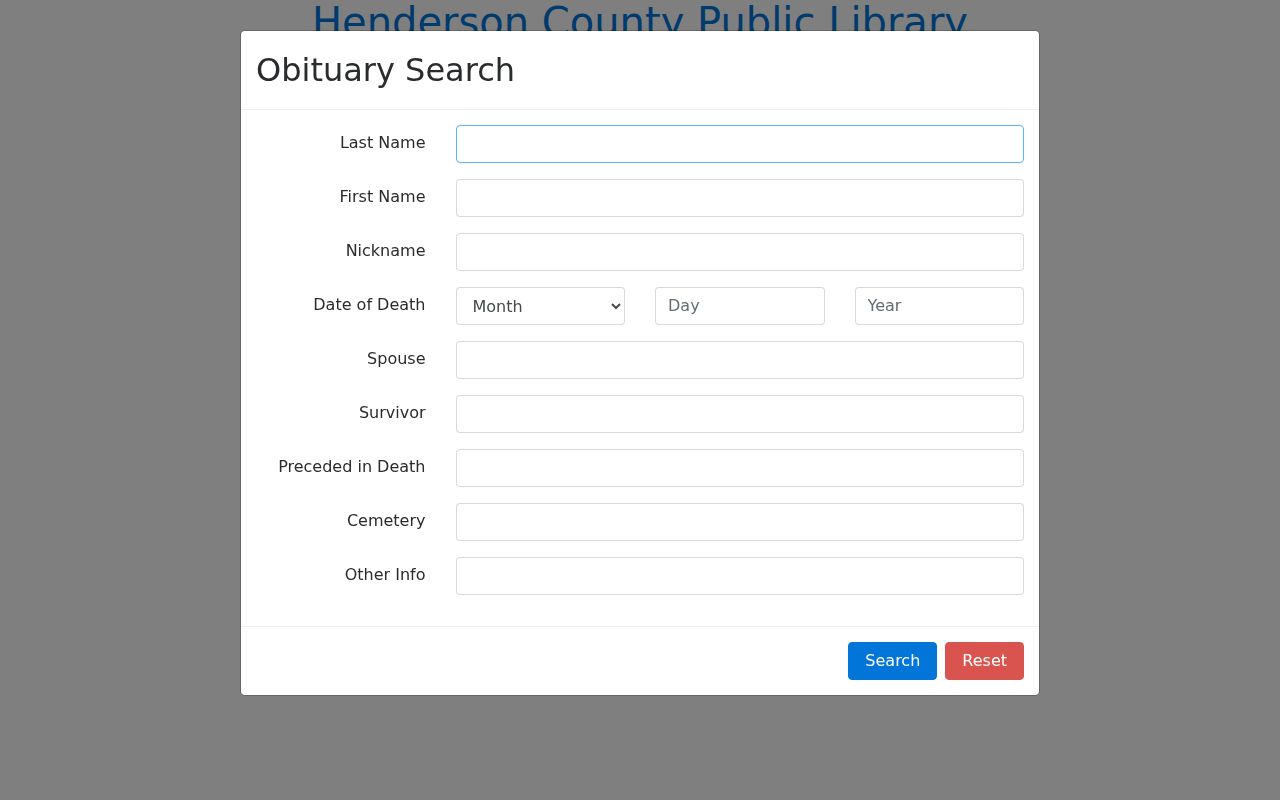
Treat the index as a finding aid, nothing more. Ask the library for the full article on microfilm or through its permitted newspaper access. Only then lean on family or address detail. The local-history shelf earns its keep here. A printed address can tie a former Henderson resident to a death notice, relatives, and a burial place, all without pretending the old entry is current.
HCHGS Extends Henderson Directory Research
The Henderson County Historical & Genealogical Society preserves valuable sources. These sit right beside the annual books. Offerings include the 1889-90 reprint, county births from 1852-59, city births from 1896-1910, and an 1806-46 marriage register. A 1799-1966 will index, an 1878-90 death register, cemetery material, early census publications, and an 1880 historical atlas round out the list. These are transcriptions. They are not substitutes for certified records. Cite the society publication and page, then seek the original clerk, court, or state record when legal proof is needed. Ask HCHGS about terms, cost, and timing first. Names shift across sources. Search initials, married and former surnames, spelling variants, and business names. For a common surname, try another anchor. A street address or directory occupation can separate one Henderson family from another.
A Henderson Map Between Directory Years
The Library of Congress holds a Sanborn fire-insurance map set for Henderson dated August 1901. It runs to 22 sheets. It sits in the public domain. Sheets show building footprints, street names, and land-use clues. No residents are named. Even so, the maps test whether a numbered building existed between directory editions. Locate an address in the 1899-1900 or 1909 directory clues first. Then open the 1901 Henderson Sanborn map set, pick the right sheet, note street names and the building outline, and record the sheet number. Return to the directory or deed for the person. This bridge matters most where the printed series has a gap, and a structure may show even with no surviving annual volume, yet a footprint is still not occupancy evidence.
Trace Henderson Families Across Directory Years
A careful family sequence keeps its uncertainty visible. Start from a solid anchor. A reliable name, address, deed, obituary, cemetery card, or census entry all work. Search every available Henderson volume instead of jumping from first hit to last. Note spelling, initials, occupation, business, spouse, and street form. Keep blank years blank. A disappearance can mean several things. The family moved, the subscriber changed, the volume is missing, the entry uses another surname, or the person died. Chase each possibility through the Gleaner index, cemetery sources, HCHGS publications, and the next census. A current cemetery search may lag, since Henderson is still digitizing old cards, deeds, and leases with Kentucky Department for Libraries and Archives coordination.
Research tip. Keep one line per edition and cite the page. A gap in Henderson holdings is evidence of a missing source, not a life event.
A good conclusion states what each source actually shows. A directory edition places a printed name at a printed address in that publication year. A census describes an enumerated household. An obituary reports a death and family account, and together the three can form a persuasive history that still honors each record's limits.